Skip to content

UI/UX Design for US Products and Startups

Research, wireframes, prototypes and Figma design systems shaped around American users, US conventions and accessibility expectations.

UI/UX Design for the United States

UI/UX Design, built around how the United States works

Good design for US users starts with details nobody notices when they are right: MM/DD/YYYY dates, ZIP code and state fields, phone numbers in the (555) 555-0100 pattern, imperial units where people expect them and US English microcopy. Nexzem's designers work in Figma from India and review work live in your morning, so feedback rounds turn around within a day.

The bigger questions are about behavior: how American users respond to onboarding, paywalls, permission prompts and subscription cancellation, and how to stay clear of dark patterns that regulators treat as deceptive. Our UX research and product design and prototyping work answers those with evidence from US users rather than assumptions.

Research with US users from an India-based studio

Remote research works well across time zones. We recruit US participants through panels such as UserTesting, Maze or Respondent, run unmoderated tests during the US day, and schedule moderated sessions in the Indian evening, which is a US Eastern morning. Findings go into an affinity map and a prioritized list your team can act on. Participant incentives are paid at cost through the panel you choose.

Accessibility and honest design

We design to WCAG Level AA from the first wireframe: contrast checked in Figma, focus order annotated for developers, touch targets sized for people with motor impairments and form errors described in text, not just color. That lowers ADA risk and avoids rework after an audit. See web accessibility for what the standard covers.

US regulators take dark patterns seriously. The FTC has brought cases over subscription flows that make cancelling harder than signing up, and California privacy rules say consent obtained through manipulative design is not valid. We design cancel, unsubscribe and privacy choices to be as clear as the purchase path.

Design systems US engineering teams can adopt

Many US clients have in-house engineers who will build from our designs. We deliver tokens, components and documented states in Figma, aligned with Apple's Human Interface Guidelines, Material Design or your React component library, so handoff is a pull request rather than a guessing game. Our glossary explains what a design system includes.

What our UI/UX design covers

User research, interface design and design systems for web and mobile products people find easy to use.

  1. 01

    UX Strategy and Flows

    User journeys, task flows and information architecture that define how people move through your product before visual design begins.

  2. 02

    Wireframing

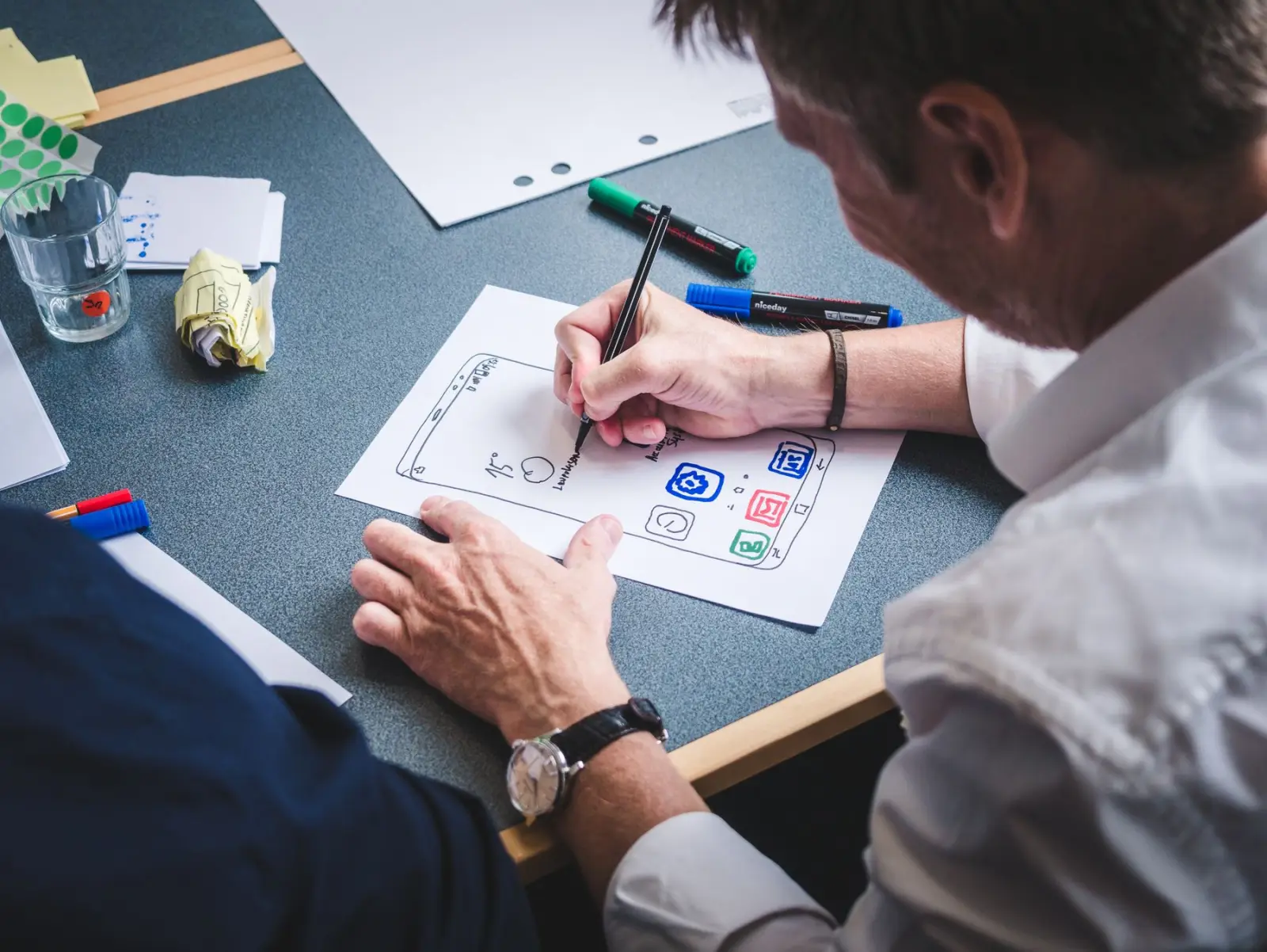
    Low-fidelity layouts that settle structure, content priority and navigation quickly, so feedback focuses on function rather than colours.

  3. 03

    Mobile App UI Design

    iOS and Android interfaces that respect platform conventions, thumb reach and small screens while staying true to your brand.

  4. 04

    Web and SaaS UI Design

    Dashboards, data tables, forms and settings screens designed for clarity, including the empty, loading and error states most designs forget.

  5. 05

    Design Systems

    Reusable Figma components, tokens and usage guidelines that keep design consistent and speed up both designers and developers.

  6. 06

    UX Audit

    A heuristic review of an existing product that highlights usability issues with annotated screenshots and a prioritised list of fixes.

  7. 07

    Accessible Design

    Contrast, focus states, touch targets and readable type designed to WCAG guidelines from the very first wireframe onwards.

  8. 08

    Developer Handoff

    Annotated Figma files, specs, assets and design reviews during development, so the built product matches the approved design.

How a project runs

Clear stages with a review at the end of each, so you always know what happens next and what it costs.

  1. 01

    Discover

    Stakeholder and user interviews, analytics review and a competitor scan.

  2. 02

    Define

    Personas, journeys, information architecture and key flows.

  3. 03

    Design

    Wireframes, then high-fidelity UI and interactive prototypes in Figma.

  4. 04

    Validate

    Usability tests on key flows, followed by design revisions.

  5. 05

    Handoff and Support

    Design system, specs and ongoing reviews during development.

The stack behind it

Proven, well-supported tools chosen for your scale, budget and team, never for novelty.

  • Figma
  • HTML5
  • Tailwind CSS
  • React
  • Jira

More services in the United States

UI/UX Design in other markets

Anywhere else

We deliver UI/UX design for clients worldwide. This page covers what changes in the United States; the team, process and contracts are the same wherever you are based.

UI/UX Design in USA, answered

Something else on your mind? Ask a consultant and get a reply within one business day.

Can you design for both iOS and Android conventions?

Yes. Shared flows are designed once, then platform patterns are respected where users notice them: navigation, back behavior, date pickers, share sheets and system permission prompts. For cross-platform builds we agree in advance which components follow each platform and which use your brand styling.

Do you run usability tests with US participants?

Yes, remotely. We recruit through established US panels, screen participants against your target profile, and run moderated or unmoderated sessions. You can watch sessions live or as recordings, and we share clips of key moments alongside the written findings.

Can you work within our existing brand guidelines?

Yes. We translate brand guidelines into a digital design system, testing colors for contrast and type for legibility at small sizes. If the brand needs updating first, our UI/UX design team can extend it for product use without a full rebrand.

Planning UI/UX design for the United States?

Share your scope and market. A consultant replies within one business day with next steps, a rough estimate and a suggested team.