Choosing the right prototype fidelity
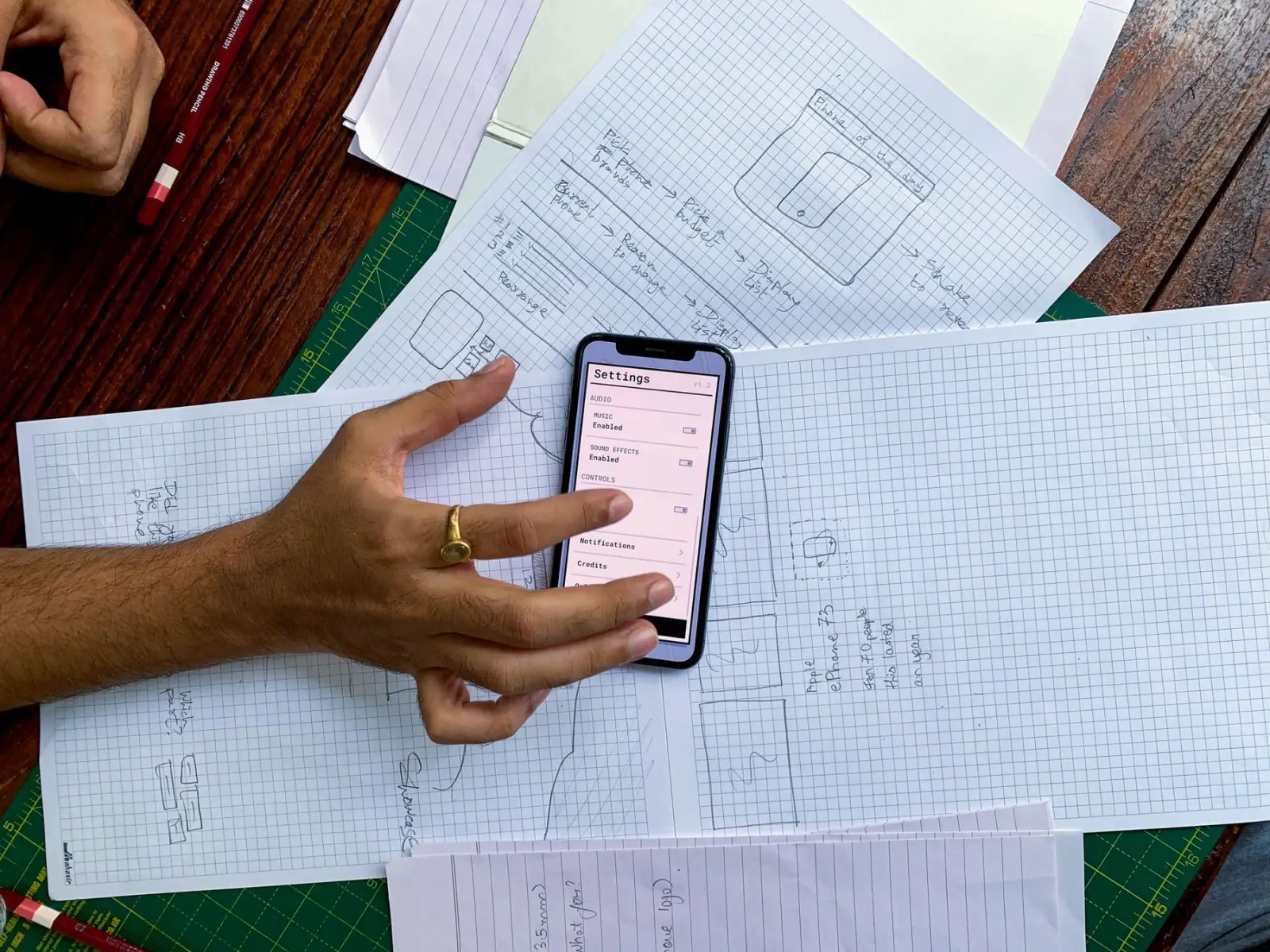
Prototypes range from paper sketches to interactive designs that look and behave almost like finished software. Choosing the right fidelity depends on the question you need to answer. Early concepts benefit from rough wireframes that invite feedback on structure and flow without distracting debates about colors or fonts.
Mid-fidelity prototypes add realistic layout and content, testing whether users can complete key tasks. High-fidelity prototypes, with final visual design and detailed interactions, suit investor demonstrations, stakeholder approvals and usability testing of specific details such as forms or onboarding. A common mistake is jumping straight to polished designs. Teams become attached to beautiful screens and resist changes that research reveals are necessary. Starting rough and increasing fidelity as confidence grows keeps learning cheap and change easy.
Some questions need technical evidence rather than design. If the main uncertainty is whether something can be built, a proof of concept may be more useful than a visual prototype. Many projects run both in parallel to address design and technical risks together.