Skip to content

Modernise hospital operations from admission to discharge

AS-ISAPI LAYERREV BIDENTITYORDERSBILLINGREPORTINGLEGACY MONOLITHTO-BE SERVICES5 STAGES123456

We replace paper registers, ageing client-server HIS and manual TPA follow-ups with connected systems that meet ABDM, DPDP and HIPAA expectations.

Parts list

  1. Legacy HIS replacement
  2. FHIR integration layer
  3. ABDM milestone enablement
  4. Cashless claims automation
  5. Digital front door
  6. Clinical data warehouse
Project
Healthcare
Discipline
Digital transformation
Drawn by
Nexzem engineering
Scale
Not to scale

Why hospital transformation stalls, and how to restart it

Most Indian hospitals already own software. The problem is that it was bought one department at a time: a desktop HIS for billing, a separate LIS in the lab, a PACS that only radiology can open, and an Excel sheet in the pharmacy. Discharge summaries are typed twice, insurance pre-authorisations wait on emails to TPAs, and nobody can answer simple questions like average length of stay without a week of data cleanup.

Transformation here means stitching those islands together and retiring the ones that block progress. ABDM milestones M1 to M3 push providers toward ABHA-linked records and consent-based sharing, the National Health Claims Exchange is moving cashless claims onto standard rails, and the DPDP Act raises the bar on how patient consent is captured. Hospitals serving overseas patients also carry HIPAA or GDPR obligations.

Nexzem starts with a department-by-department audit of where time and revenue leak, then sequences the work so clinical staff never face a big-bang cutover. We usually put a FHIR integration layer in place first, digitise the front door and the claims desk next, and only then replace the legacy HIS modules that remain. You keep 100% of the code and IP.

Healthcare, drawn as a phased roadmap

Workstreams down, phases across. An illustrative sequence; your roadmap is set after the first audit.

Ph 1

Ph 2

Ph 3

Ph 4

Ph 5

  1. Legacy HIS replacement
    Phases 1 to 2
  2. FHIR integration layer
    Phases 1 to 2
  3. ABDM milestone enablement
    Phases 2 to 2
  4. Cashless claims automation
    Phases 2 to 3
  5. Digital front door
    Phases 3 to 4
  6. Clinical data warehouse
    Phases 3 to 3
  7. AI-assisted documentation
    Phases 4 to 5
  8. Capacity forecasting
    Phases 5 to 5
  1. Ph 1

    Department audit

    We shadow registration, wards, lab, pharmacy and billing to map handoffs, duplicate entries and revenue leaks.

  2. Ph 2

    Integration backbone

    We stand up the FHIR hub and connect existing systems, so later changes do not break clinical workflows.

  3. Ph 3

    Quick-win digitisation

    Front-desk booking, intake and claims automation go live first because they show results within weeks.

  4. Ph 4

    Module-by-module migration

    Legacy HIS modules are replaced in priority order, each with data migration, staff training and a parallel run.

  5. Ph 5

    Analytics and AI layer

    Once data is clean and connected, we add dashboards, forecasting and documentation assistants on top.

Healthcare transformation initiatives

Move hospitals and clinics off paper registers and siloed HIS into connected, ABDM-ready, data-driven care operations.

  1. 01

    Legacy HIS replacement

    Phased migration from client-server hospital systems to a cloud HIS, moving OPD, IPD, billing and pharmacy modules one at a time with parallel runs before each cutover.

  2. 02

    FHIR integration layer

    A central interface engine that translates HL7 v2 messages from labs, PACS and devices into FHIR resources, so every new system plugs into one hub instead of point-to-point links.

  3. 03

    ABDM milestone enablement

    ABHA creation and linking, HFR and HPR registration support, care-context linking and consent-manager flows, tested in the ABDM sandbox before production approval.

  4. 04

    Cashless claims automation

    Pre-authorisation packets assembled automatically from clinical notes and bills, with status tracking against TPAs and readiness for National Health Claims Exchange submission.

  5. 05

    Digital front door

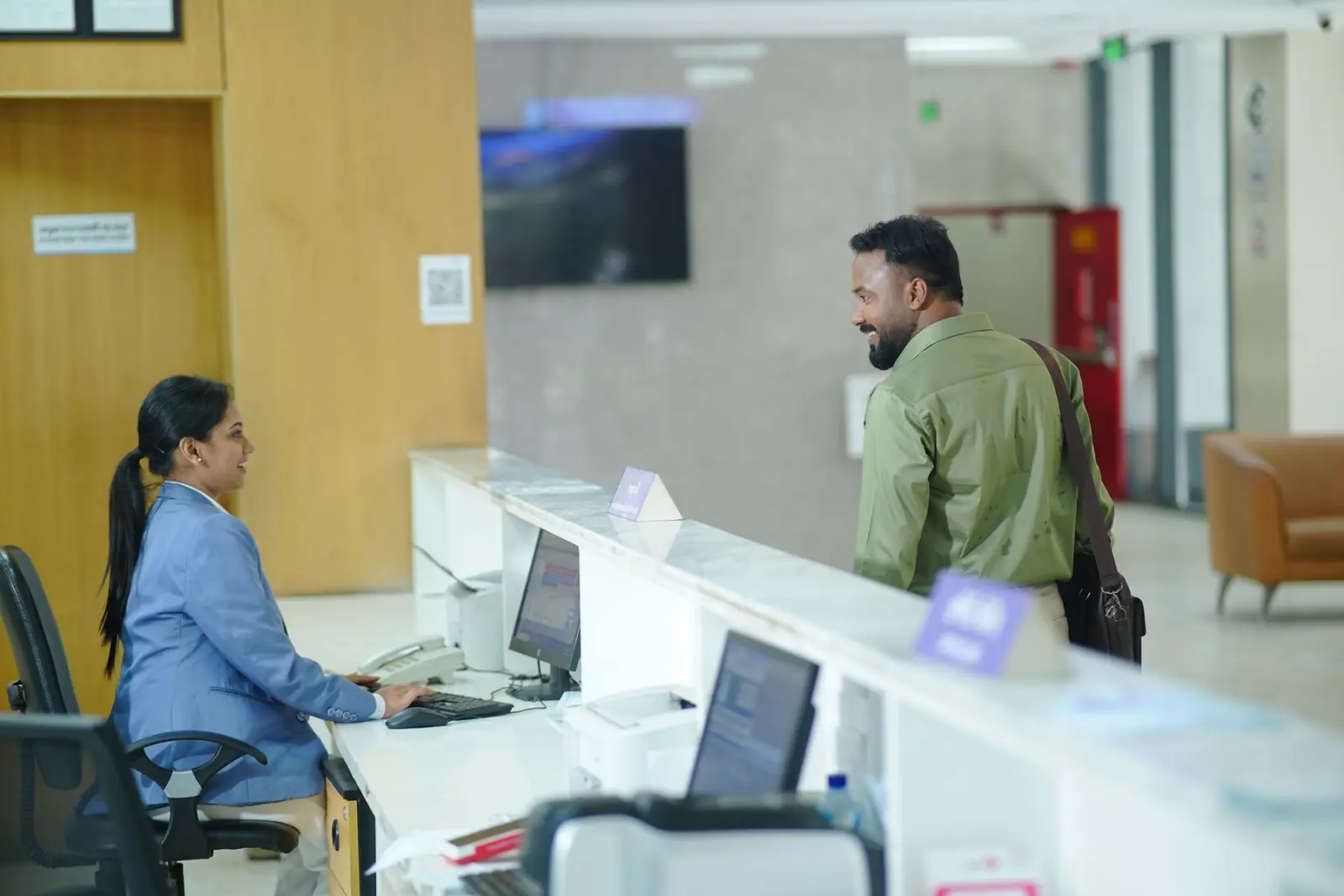
    Online and WhatsApp booking through NexChat, digital intake forms, queue tokens and pre-visit payments that cut crowding at registration counters during peak OPD hours.

  6. 06

    Clinical data warehouse

    A governed repository combining HIS, LIS and billing data so administrators can track length of stay, readmissions, doctor utilisation and payer mix without manual reports.

  7. 07

    AI-assisted documentation

    Draft discharge summaries and referral letters generated from structured notes, always reviewed and signed by the treating doctor before release to the patient.

  8. 08

    Capacity forecasting

    Models that predict bed demand, OT utilisation and no-show rates from historical admissions, helping nursing heads plan rosters and schedulers overbook sensibly.

Why choose Nexzem for healthcare transformation

  • R-01

    Fewer duplicate entries

    Patient demographics, orders and results are captured once and flow to every department that needs them.

  • R-02

    Faster claim settlement

    Complete pre-auth and discharge packets go out the first time, reducing back-and-forth queries from insurers and TPAs.

  • R-03

    Audit-ready consent

    Every record access and data share is logged against a captured consent, which simplifies DPDP and accreditation reviews.

  • R-04

    Zero big-bang risk

    Department-level rollouts with parallel runs mean wards keep working while old modules are retired.

  • R-05

    Decisions from live data

    Management sees occupancy, revenue and turnaround times daily instead of waiting for month-end compilations.

How healthcare transformation unfolds, phase by phase

Sheet P-01, delivery sequence

Clear stages with a review at the end of each, so you always know what happens next and what it costs.

  1. S1

    Department audit

    We shadow registration, wards, lab, pharmacy and billing to map handoffs, duplicate entries and revenue leaks.

  2. S2

    Integration backbone

    We stand up the FHIR hub and connect existing systems, so later changes do not break clinical workflows.

  3. S3

    Quick-win digitisation

    Front-desk booking, intake and claims automation go live first because they show results within weeks.

  4. S4

    Module-by-module migration

    Legacy HIS modules are replaced in priority order, each with data migration, staff training and a parallel run.

  5. S5

    Analytics and AI layer

    Once data is clean and connected, we add dashboards, forecasting and documentation assistants on top.

Healthcare transformation in practice

  • Detail A

    Digital front door for a hospital chain

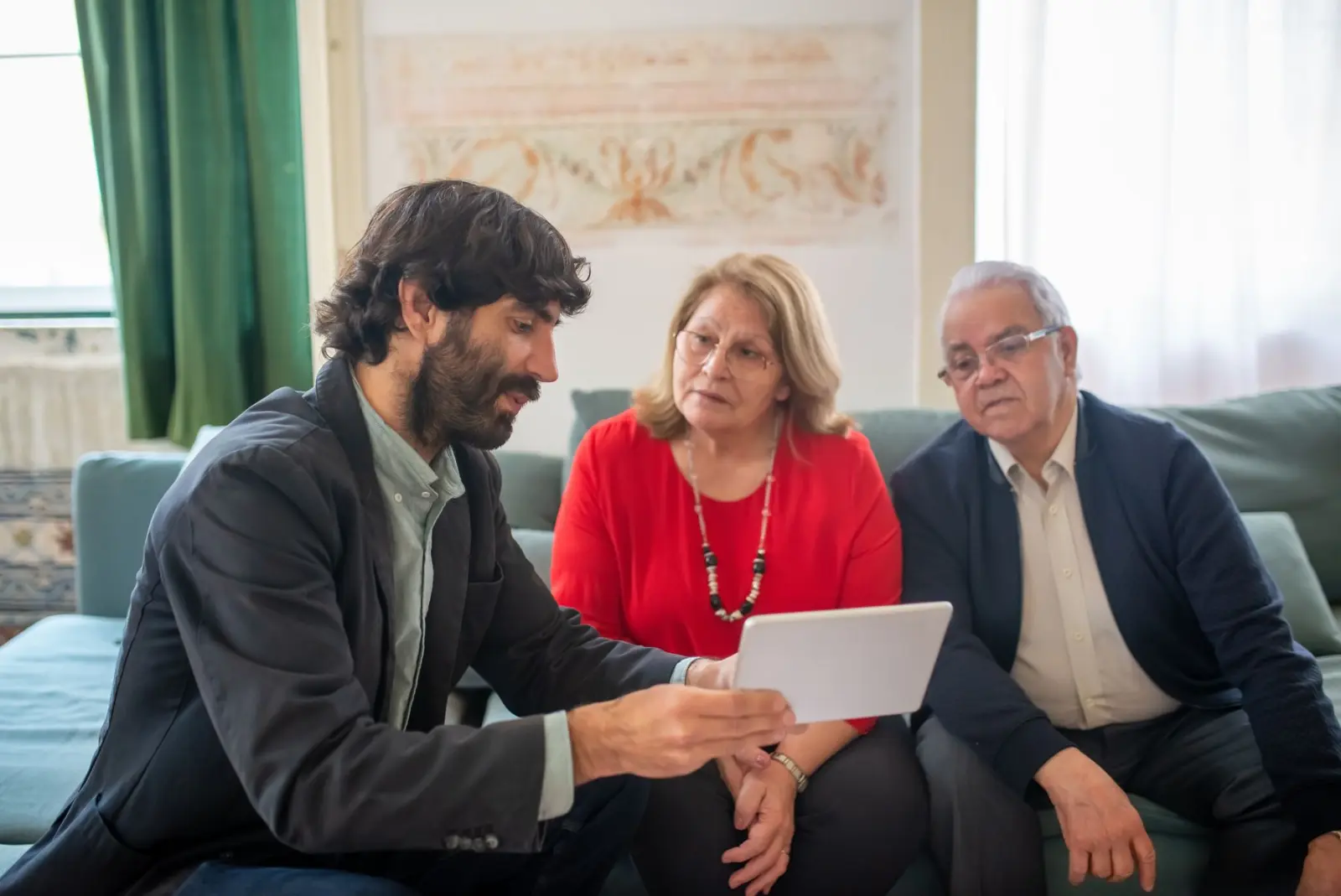
    A hospital chain gives patients one app for booking, payments, lab reports and teleconsultations, connected to its existing HIS through an integration layer, reducing counter queues and phone calls across every branch.

  • Detail B

    Cashless claims automation

    A hospital digitizes pre-authorization and discharge claims with document extraction, insurer integrations and deadline tracking, so billing teams meet tight approval timelines and fewer claims are delayed, queried or denied.

  • Detail C

    ABDM-ready record sharing

    A diagnostic network links reports to patients' ABHA health IDs and shares them as standard FHIR documents with consent, letting patients access results in their chosen health apps and reducing requests for duplicate copies.

  • Detail D

    Capacity planning with data

    A hospital builds a data warehouse from admissions, theater and bed data, forecasts occupancy by ward and plans staffing ahead of seasonal peaks instead of reacting when beds run out.

Digital Transformation for Healthcare, in depth

Sheet N-01, general notes

N1

Where legacy systems hold healthcare back

Many hospitals run a hospital information system installed years ago, surrounded by separate lab, imaging, pharmacy and billing systems that barely exchange data. Staff re-enter patient details at every counter, doctors switch between screens to find results, and discharge summaries are typed from scratch. Each gap adds minutes per patient, and across a busy hospital those minutes become long queues, tired staff and avoidable errors.

Older systems also struggle with today's requirements: patient apps, online appointments, cashless insurance claims with tight turnaround times, ABDM health record sharing and analytics for capacity planning. Vendors may charge heavily for small changes or simply lack modern interfaces, so hospitals end up building manual workarounds. Our healthcare industry page describes the wider software landscape hospitals operate in.

Replacing everything at once is risky for an organization that cannot pause patient care. Most successful transformations wrap legacy systems with an integration layer first, then modernize the most painful areas one at a time. That approach spreads cost over time and lets each improvement prove its value before the next begins.

  • N1.aDuplicate data entry across registration, billing and labs.
  • N1.bPaper or scanned records that cannot be searched or shared.
  • N1.cSlow, manual insurance pre-authorization and claims.
  • N1.dNo patient-facing booking, reports or payments online.
  • N1.eLittle reliable data for planning beds, staff and theaters.

N2

A phased healthcare transformation roadmap

A phased roadmap delivers visible benefits early while building the foundation for larger changes. Start with an assessment of systems, data flows and pain points, then build an integration layer using standards such as HL7 and FHIR so new tools can connect without disturbing existing ones. Patient-facing improvements and claims automation usually follow, because they reduce queues and revenue leakage quickly.

Later phases tackle the core: replacing or upgrading the HIS, building a clinical data warehouse and adding AI-assisted documentation or forecasting once data is trustworthy. Regulatory requirements, such as the DPDP Act for patient data and ABDM standards for record sharing, shape every phase; this is general information, not legal advice. Our healthcare software and EHR integration page goes deeper into interoperability.

  • N2.aPhase 1: assessment, data mapping and quick wins.
  • N2.bPhase 2: integration layer with HL7 and FHIR interfaces.
  • N2.cPhase 3: digital front door, online payments and claims automation.
  • N2.dPhase 4: HIS modernization and clinical data warehouse.
  • N2.ePhase 5: analytics, forecasting and AI-assisted documentation.
N3

Measuring healthcare transformation progress

Measure progress in terms patients and staff notice. Waiting times at registration and pharmacy, time from discharge decision to actual discharge, claim turnaround times and denial rates, and the share of appointments booked online are concrete indicators. Staff measures matter too, such as time spent on documentation and the number of systems a nurse uses per shift.

Capture a baseline before each phase begins and review results monthly with clinical and administrative leaders. Transformation programs that report outcomes rather than project activity keep leadership support and make it easier to decide which phase to fund next. Sharing results with frontline staff also builds momentum.

  • N3.aAverage waiting time at key patient touchpoints.
  • N3.bDischarge turnaround time.
  • N3.cCashless claim approval time and denial rate.
  • N3.dShare of appointments and payments made online.
  • N3.eDocumentation time per clinician.
  • N3.fPatient satisfaction scores.

Technology for healthcare transformation

Proven, well-supported tools chosen for your scale, budget and team, never for novelty.

  • Next.js
  • Node.js
  • Python
  • PostgreSQL
  • Kafka
  • AWS
  • Docker
  • Kubernetes
  • Pandas

Healthcare transformation FAQs

Something else on your mind? Ask a consultant and get a reply within one business day.

Do we have to replace our current HIS to start?

No. Most of our healthcare programmes begin by integrating around the existing HIS through a FHIR layer. We replace modules only where the old system blocks a priority goal, such as ABDM compliance or cashless claims, and we do it in phases.

What drives the cost of a hospital transformation programme?

The main drivers are the number of departments and locations, how many legacy systems need integration, data migration volume, ABDM milestone scope and whether you need analytics or AI. We give a phased, fixed quote after a free consultation and a short current-state assessment.

How do you handle patient data during migration?

Data moves through encrypted channels into environments with role-based access and full audit logs. We mask identifiers in test environments, reconcile record counts after every load and follow DPDP consent and retention rules. NDAs are signed before any data is shared.

How long until staff see a difference?

Front-door digitisation and claims automation usually go live within 8-12 weeks. Full HIS module replacement across a multi-specialty hospital is typically a 9-18 month phased programme, depending on scope.

Can you support hospitals that treat international patients?

Yes. We add HIPAA or GDPR controls where foreign patient data is processed, such as stricter access logging, data residency choices and breach notification workflows, alongside Indian requirements.

Who supports the systems after go-live?

We offer ongoing support with defined response times, or a dedicated team that keeps building new modules. Because you own the source code, you can also hand it to an internal IT team later.

Where should a hospital start its digital transformation?

Start where patients and staff feel the most friction and data already exists, such as online appointments, report delivery or claims processing. These projects show results within months and build support for deeper changes, such as HIS modernization, that take longer.

How do you keep clinical staff involved during transformation?

We involve doctors, nurses and front-desk staff in workflow mapping, prototype testing and pilot feedback, and appoint clinical champions in each department. Changes are rolled out ward by ward with training, so staff shape the tools rather than having them imposed.

We work with clients across the USA, UK, Australia, UAE, New Zealand and India.

Where we work

Start with a clear roadmap.

Share where your systems and processes stand today. We reply within one business day with a suggested first phase.