Skip to content

One stock count across every store and channel

AS-ISAPI LAYERREV BIDENTITYORDERSBILLINGREPORTINGLEGACY MONOLITHTO-BE SERVICES5 STAGES123456

We connect POS, warehouses, your website and marketplaces into a single order and inventory layer, then use that data to forecast demand.

Parts list

  1. Unified order management
  2. POS modernisation
  3. Marketplace and ONDC sync
  4. Product information management
  5. Ship-from-store and BOPIS
  6. Customer data platform
Project
Retail & eCommerce
Discipline
Digital transformation
Drawn by
Nexzem engineering
Scale
Not to scale

Omnichannel promises break on disconnected systems

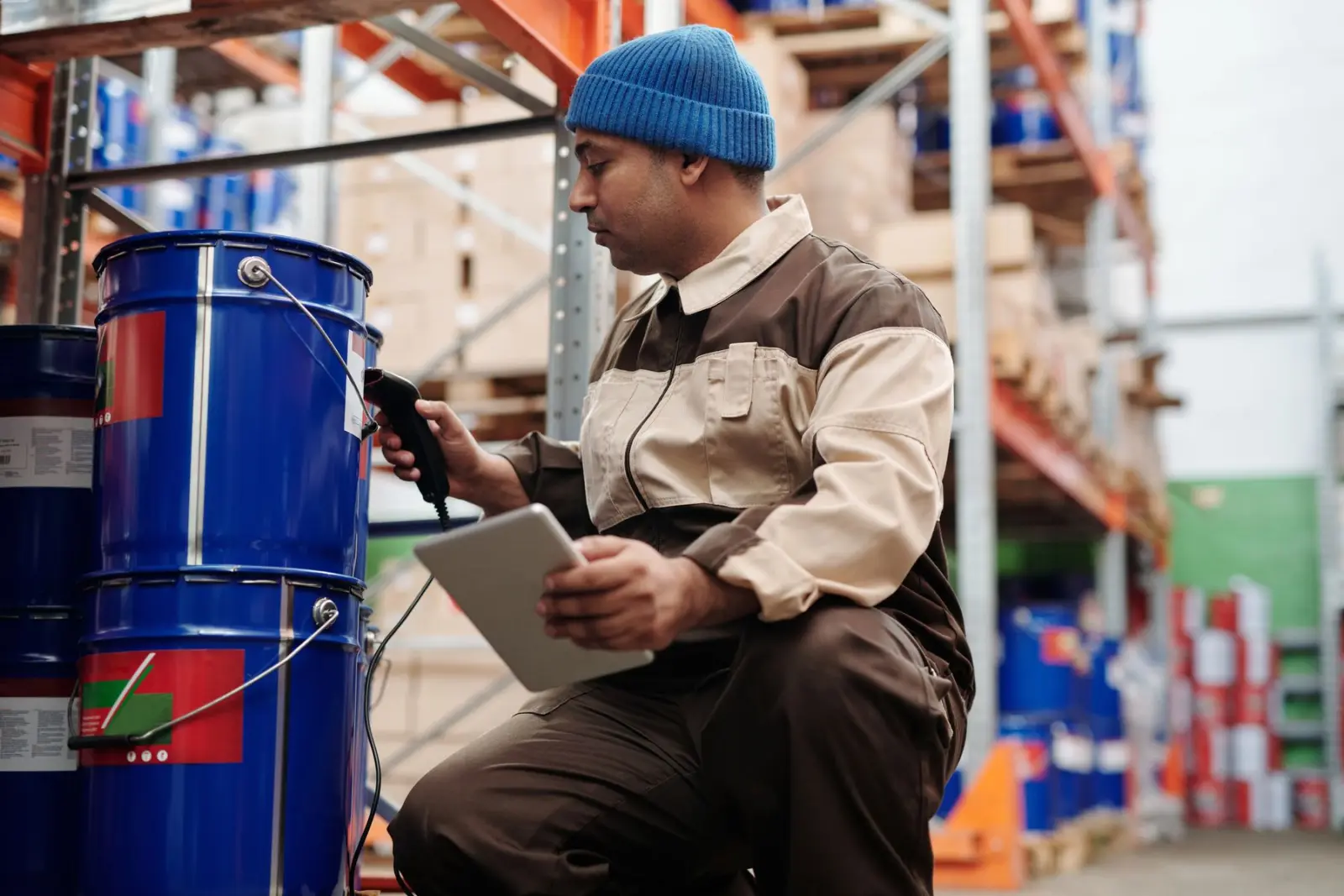
Retailers that grew store by store usually end up with a billing system in each outlet, inventory in Tally or an ERP that updates overnight, a Shopify or WooCommerce site with its own stock numbers, and marketplace listings updated by hand. The result is overselling online, dead stock in one city while another runs out, and loyalty points that only work in the store where they were earned.

Compliance adds weight. GST e-invoicing thresholds keep dropping, the Consumer Protection (E-Commerce) Rules require seller details, grievance officers and clear return terms, packaged goods need Legal Metrology declarations on listings, and card payments must stay within PCI DSS scope. ONDC is also opening a new channel that needs catalogue and order APIs.

Nexzem treats inventory and orders as the backbone. We build or configure an order management layer that every channel reads from and writes to, modernise POS so stores can sell from the network, and only then invest in personalisation and AI. That order matters, because forecasting on inconsistent stock data produces confident but wrong answers.

Retail & eCommerce, drawn as a phased roadmap

Workstreams down, phases across. An illustrative sequence; your roadmap is set after the first audit.

Ph 1

Ph 2

Ph 3

Ph 4

Ph 5

  1. Unified order management
    Phases 1 to 2
  2. POS modernisation
    Phases 1 to 2
  3. Marketplace and ONDC sync
    Phases 2 to 2
  4. Product information management
    Phases 2 to 3
  5. Ship-from-store and BOPIS
    Phases 3 to 4
  6. Customer data platform
    Phases 3 to 3
  7. Demand and replenishment forecasting
    Phases 4 to 5
  8. Markdown and pricing analytics
    Phases 5 to 5
  1. Ph 1

    Channel and stock audit

    We trace how an order and a stock movement travel through every system today and where they diverge.

  2. Ph 2

    Inventory backbone

    The OMS and inventory service go live first, with existing POS and storefronts connected through APIs.

  3. Ph 3

    Store enablement

    POS upgrades and store fulfilment apps roll out in pilot outlets before network-wide deployment.

  4. Ph 4

    Customer layer

    Profiles, loyalty and consented messaging are unified once transactions flow through one backbone.

  5. Ph 5

    Forecasting and optimisation

    With clean sales and stock history, we add demand, replenishment and markdown models.

Retail & ecommerce transformation initiatives

Unify stores, warehouses, website and marketplaces on one inventory and customer view, with forecasting that cuts stockouts.

  1. 01

    Unified order management

    A central OMS that routes orders from web, app, stores and marketplaces to the best fulfilment node based on stock, distance and promised delivery date.

  2. 02

    POS modernisation

    Cloud POS with offline mode, GST e-invoicing, endless-aisle ordering, returns from any channel and real-time stock sync back to the central inventory.

  3. 03

    Marketplace and ONDC sync

    Automated catalogue, price and stock feeds to Amazon, Flipkart and ONDC network participants, with order pull and status updates handled by APIs.

  4. 04

    Product information management

    A single PIM holding attributes, images, Legal Metrology fields and channel-specific descriptions, replacing spreadsheets emailed between merchandising and ecommerce teams.

  5. 05

    Ship-from-store and BOPIS

    Store staff apps for picking, packing and handing over online orders, turning outlets into mini fulfilment centres and enabling buy online, pick up in store.

  6. 06

    Customer data platform

    Merged customer profiles across POS, web and loyalty, with consented segments for WhatsApp, email and SMS campaigns that respect DPDP opt-outs.

  7. 07

    Demand and replenishment forecasting

    Store-SKU level forecasts using sales history, seasonality and promotions, generating replenishment suggestions that buyers can approve or adjust.

  8. 08

    Markdown and pricing analytics

    Models that identify slow movers early and suggest markdown timing and depth, protecting margin at end of season instead of blanket clearance sales.

Why choose Nexzem for retail & ecommerce transformation

  • R-01

    Fewer oversells

    Every channel reads the same live stock, so online orders stop failing for items that are not available.

  • R-02

    Stock works harder

    Inventory in any store can fulfil any channel, reducing dead stock and inter-store transfers.

  • R-03

    Customers recognised everywhere

    One profile and one loyalty balance across store, web and app improves repeat purchase.

  • R-04

    Smarter buying

    Forecast-led replenishment replaces gut feel, so buyers spend time on exceptions, not spreadsheets.

  • R-05

    Compliance handled in flow

    E-invoices, seller disclosures and product declarations are generated as part of normal operations.

How retail & ecommerce transformation unfolds, phase by phase

Sheet P-01, delivery sequence

Clear stages with a review at the end of each, so you always know what happens next and what it costs.

  1. S1

    Channel and stock audit

    We trace how an order and a stock movement travel through every system today and where they diverge.

  2. S2

    Inventory backbone

    The OMS and inventory service go live first, with existing POS and storefronts connected through APIs.

  3. S3

    Store enablement

    POS upgrades and store fulfilment apps roll out in pilot outlets before network-wide deployment.

  4. S4

    Customer layer

    Profiles, loyalty and consented messaging are unified once transactions flow through one backbone.

  5. S5

    Forecasting and optimisation

    With clean sales and stock history, we add demand, replenishment and markdown models.

Retail & ecommerce transformation in practice

  • Detail A

    Unified inventory for a fashion retailer

    A fashion retailer connects store POS, warehouse and online channels to one inventory layer, ending overselling online and letting stores fulfill web orders from local stock, which speeds delivery and reduces markdowns.

  • Detail B

    Marketplace and ONDC order consolidation

    A brand selling on several marketplaces and ONDC receives all orders in one system with synchronized stock and prices, replacing manual downloads and uploads that caused errors and delays during busy periods.

  • Detail C

    Click and collect rollout

    A retail chain launches click and collect across its stores, with live stock on product pages, picking lists for store staff and customer notifications, turning stores into convenient fulfillment points for online shoppers.

  • Detail D

    Customer data platform for loyalty

    A retailer combines in-store, online and app purchases into unified customer profiles, powering personalized offers and loyalty communications while respecting consent, and measuring which campaigns actually change buying behavior over time.

Digital Transformation for Retail & eCommerce, in depth

Sheet N-01, general notes

N1

Where legacy systems hold retailers back

Many retailers grew channel by channel: a POS in stores, an ecommerce platform online, marketplace listings managed separately and an ERP for finance and purchasing. Each holds its own version of stock, prices and customers. The result is overselling online, slow refunds, promotions that do not match across channels and customers treated as strangers when they switch from app to store.

Operational workarounds multiply as volume grows: staff updating stock manually, spreadsheets for marketplace orders and delayed reports that arrive after decisions should have been made. Our retail and ecommerce industry page covers the systems retailers typically connect, and our omnichannel glossary entry explains the target state many retailers aim for. Legacy POS systems and ERPs often lack modern APIs, so the transformation starts by creating a reliable layer for stock and orders that every channel can use.

  • N1.aStock that differs between stores, website and marketplaces.
  • N1.bManual handling of marketplace and ONDC orders.
  • N1.cNo single customer view across channels.
  • N1.dPromotions configured separately in every system.
  • N1.eLate, inconsistent sales and inventory reports.
  • N1.fReturns processed differently in every channel.

N2

A phased retail transformation roadmap

The foundation is a unified order management layer with real-time inventory across stores, warehouses and channels. Once stock is trustworthy, retailers can offer click and collect, ship from store and endless aisle, and sync marketplaces and ONDC reliably. POS modernization and product information management often run alongside, since clean product data feeds every channel.

Later phases build a customer data platform, personalization, demand forecasting and pricing analytics on top of consistent data. Consumer protection and data protection rules apply throughout, including clear pricing, return policies and consent for marketing; this is general information, not legal advice. Retailers expanding internationally can also read about our ecommerce development in the UK.

  • N2.aPhase 1: inventory and order management foundation.
  • N2.bPhase 2: marketplace, ONDC and channel sync.
  • N2.cPhase 3: omnichannel fulfillment such as click and collect.
  • N2.dPhase 4: customer data platform and personalization.
  • N2.ePhase 5: demand forecasting and pricing analytics.
  • N2.fOngoing: store staff training and process updates.
N3

Measuring retail transformation progress

Retail transformation pays off in availability, speed and customer loyalty. Inventory accuracy, the rate of orders canceled for stock problems, order fulfillment time, the share of omnichannel orders and repeat purchase rates are clear indicators, alongside gross margin effects from better pricing and fewer markdowns. Measure by store and channel, not only in total, because averages hide where processes still fail. Monthly reviews with store operations, ecommerce and finance teams keep the program focused on outcomes every function cares about.

  • N3.aInventory accuracy by location.
  • N3.bOrders canceled because of stock errors.
  • N3.cOrder fulfillment and delivery times.
  • N3.dShare of click and collect and ship-from-store orders.
  • N3.eRepeat purchase and loyalty member activity.
  • N3.fMarkdown levels and gross margin.
  • N3.gCustomer satisfaction with delivery and returns.

Technology for retail & ecommerce transformation

Proven, well-supported tools chosen for your scale, budget and team, never for novelty.

  • Next.js
  • React
  • Node.js
  • PostgreSQL
  • Redis
  • Elasticsearch
  • Python
  • Shopify
  • Razorpay
  • Google Cloud

Retail & ecommerce transformation FAQs

Something else on your mind? Ask a consultant and get a reply within one business day.

Do we need to replace our ERP to go omnichannel?

Usually not. The ERP stays the system of record for finance and purchasing, while the OMS handles real-time stock and orders. We integrate the two so ERP still receives the transactions it needs.

Can you connect us to ONDC?

Yes. We build or integrate with seller-side network participant apps, map your catalogue to ONDC schemas, and sync orders, cancellations and returns with your OMS.

What drives the cost of a retail transformation?

Cost depends on store count, number of sales channels, the state of your current POS and ERP, catalogue size and how far you want to go into analytics. After a free consultation we provide a phased fixed quote.

How long does an OMS rollout take?

An OMS connecting a website, a few marketplaces and a pilot group of stores typically takes 12-20 weeks. Network-wide store rollout follows in waves.

How accurate are demand forecasts?

Accuracy depends on history length, data quality and how volatile your categories are. We measure forecast error against your current method during a pilot so you can judge the gain before scaling.

Should we fix inventory before launching new channels?

Yes. Accurate, real-time inventory is the foundation for every omnichannel feature. Launching click and collect or new marketplaces on unreliable stock data leads to cancellations and unhappy customers, so most programs start by unifying inventory and orders.

Can our existing POS stay during the transformation?

Often, yes. If the POS can share sales and stock data through APIs or exports, it can connect to the new order and inventory layer. POS replacement can be scheduled later, store by store, when its limitations block important capabilities.

We work with clients across the USA, UK, Australia, UAE, New Zealand and India.

Where we work

Start with a clear roadmap.

Share where your systems and processes stand today. We reply within one business day with a suggested first phase.