Skip to content

From paper slips to traceable farm supply chains

AS-ISAPI LAYERREV BIDENTITYORDERSBILLINGREPORTINGLEGACY MONOLITHTO-BE SERVICES5 STAGES123456

We help agribusinesses, FPOs and processors digitise farmer onboarding, procurement, payments and traceability, then add crop and price intelligence.

Parts list

  1. Farmer registry and onboarding
  2. Procurement app
  3. Direct farmer payments
  4. Farm-to-pack traceability
  5. Field advisory platform
  6. Input distribution management
Project
Agriculture
Discipline
Digital transformation
Drawn by
Nexzem engineering
Scale
Not to scale

Agri supply chains depend on records nobody can trust

An agribusiness buying from thousands of farmers usually depends on field officers with diaries, handwritten weighment slips at collection centres and payments made in cash or delayed bank transfers. Farmer details are duplicated across schemes, advisory messages go out on generic SMS, and when an export buyer asks which farms supplied a container, the answer takes weeks to assemble.

Public and market forces are pushing digitisation. AgriStack is building farmer registries and digital crop surveys, e-NAM links mandis online, electronic negotiable warehouse receipts enable credit against stored produce, and APEDA traceability systems apply to grapes, horticulture and other exports. Coffee and rubber exporters to Europe must prove deforestation-free sourcing under the EU Deforestation Regulation, which needs plot-level geolocation.

Nexzem begins with the farmer record. A clean, consented registry with land parcels and geo-boundaries becomes the anchor for procurement, payments, advisory and traceability. Field apps are built for low connectivity and local languages, because the data is only as good as what officers can capture in a village with one bar of signal.

Agriculture, drawn as a phased roadmap

Workstreams down, phases across. An illustrative sequence; your roadmap is set after the first audit.

Ph 1

Ph 2

Ph 3

Ph 4

Ph 5

  1. Farmer registry and onboarding
    Phases 1 to 2
  2. Procurement app
    Phases 1 to 2
  3. Direct farmer payments
    Phases 2 to 2
  4. Farm-to-pack traceability
    Phases 2 to 3
  5. Field advisory platform
    Phases 3 to 4
  6. Input distribution management
    Phases 3 to 3
  7. Satellite crop monitoring
    Phases 4 to 5
  8. Pest and disease detection
    Phases 5 to 5
  1. Ph 1

    Field reality check

    We visit collection centres and villages to understand connectivity, devices and current record keeping.

  2. Ph 2

    Farmer and plot registry

    A consented farmer and land database is built as the foundation for all other modules.

  3. Ph 3

    Procurement and payments

    Collection centre apps and payouts go live in one region or crop first.

  4. Ph 4

    Traceability and advisory

    Lot tracking, buyer QR codes and farmer advisory extend across the supply chain.

  5. Ph 5

    Remote sensing and AI

    Satellite monitoring, yield estimates and pest detection are added on the registered plots.

Agriculture transformation initiatives

Digitise farmer onboarding, procurement, payments and traceability for agribusinesses, FPOs and food processors.

  1. 01

    Farmer registry and onboarding

    Digital farmer profiles with KYC, bank details, land parcels and plot boundaries mapped on phone GPS, with consent captured in the farmer's language.

  2. 02

    Procurement app

    Collection centre app with weighbridge and moisture meter integration, quality grading, instant digital receipts and lot creation for every purchase.

  3. 03

    Direct farmer payments

    UPI and bank transfer payouts triggered straight from procurement records, with deductions for inputs or advances reconciled automatically per farmer.

  4. 04

    Farm-to-pack traceability

    Lot genealogy from farmer plot through aggregation, processing and packing, with QR codes that buyers can scan for origin details.

  5. 05

    Field advisory platform

    Crop calendars, pest alerts and voice or WhatsApp advisories in local languages, with photo-based queries routed to agronomists.

  6. 06

    Input distribution management

    Orders, credit and delivery tracking for seeds, fertilisers and crop protection products sold through FPOs and dealer networks.

  7. 07

    Satellite crop monitoring

    NDVI and other vegetation indices from satellite imagery to monitor crop health, estimate yield and verify sown area across contracted farms.

  8. 08

    Pest and disease detection

    Image models that identify common pests and diseases from farmer photos, giving a first diagnosis before an agronomist confirms.

Why choose Nexzem for agriculture transformation

  • R-01

    Faster farmer payments

    Digital receipts trigger payouts quickly, which builds farmer loyalty and supply reliability.

  • R-02

    Export-ready traceability

    Plot-level origin data is available when buyers or regulators ask for it.

  • R-03

    Cleaner procurement data

    Integrated weighing and grading reduce disputes and manual errors at collection centres.

  • R-04

    Earlier crop insight

    Satellite and field data show supply risks weeks before harvest.

  • R-05

    Reach in local languages

    Advisory and apps work in the languages farmers and field staff actually use.

How agriculture transformation unfolds, phase by phase

Sheet P-01, delivery sequence

Clear stages with a review at the end of each, so you always know what happens next and what it costs.

  1. S1

    Field reality check

    We visit collection centres and villages to understand connectivity, devices and current record keeping.

  2. S2

    Farmer and plot registry

    A consented farmer and land database is built as the foundation for all other modules.

  3. S3

    Procurement and payments

    Collection centre apps and payouts go live in one region or crop first.

  4. S4

    Traceability and advisory

    Lot tracking, buyer QR codes and farmer advisory extend across the supply chain.

  5. S5

    Remote sensing and AI

    Satellite monitoring, yield estimates and pest detection are added on the registered plots.

Agriculture transformation in practice

  • Detail A

    Offline procurement for a food processor

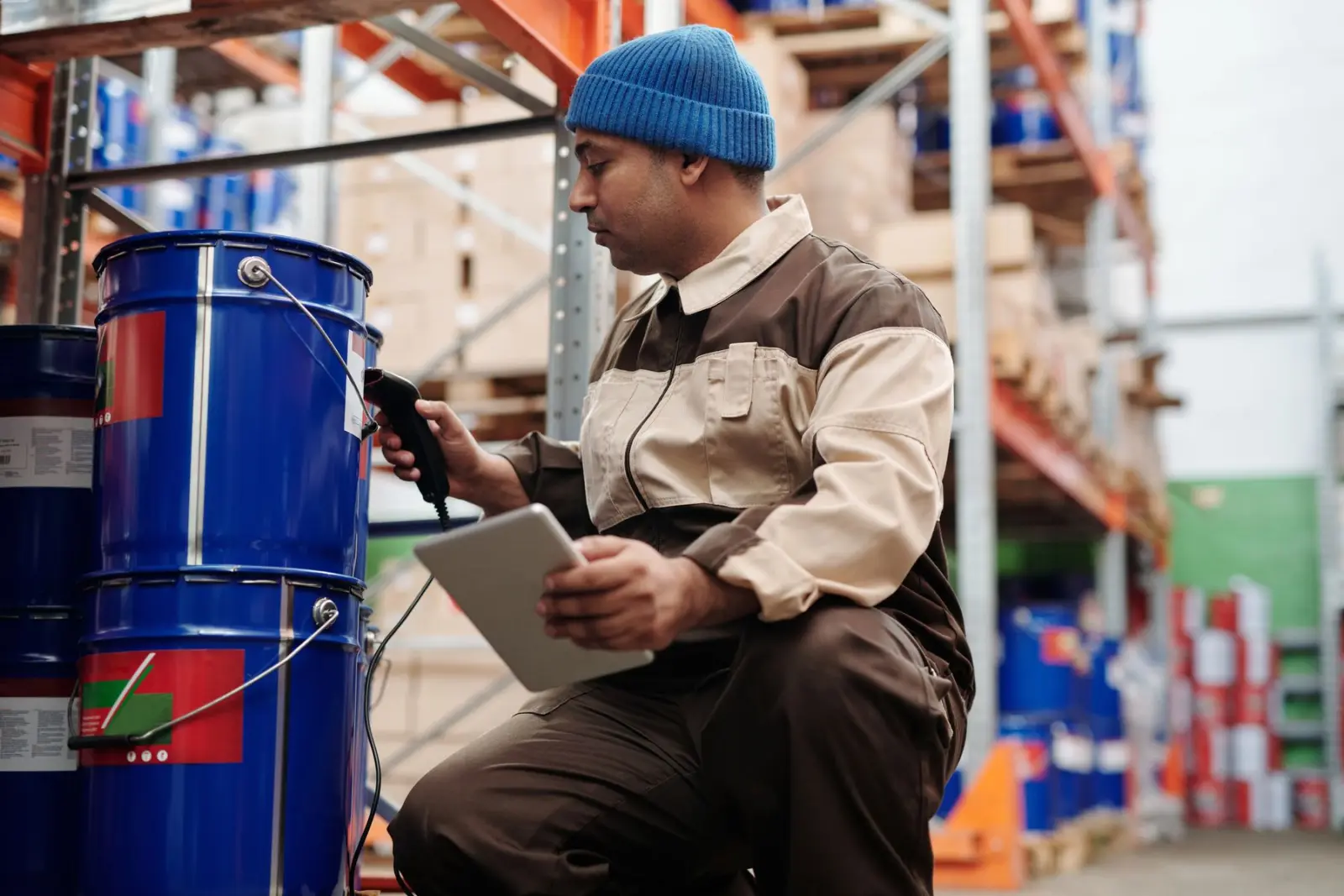
    Field staff record farmer details, weighment and quality grades at collection centers on an offline app, data syncs when connectivity returns, and farmers receive SMS receipts and faster payments directly to their bank accounts.

  • Detail B

    Export traceability for horticulture

    An exporter links every carton to farm plots, spray records, harvest dates and packhouse handling, producing the traceability records demanding buyers and authorities require without assembling paperwork manually for each shipment.

  • Detail C

    Farmer advisory in local languages

    An agribusiness sends crop-stage advice, weather alerts and pest warnings to registered farmers in local languages by voice, SMS and WhatsApp, with field officers following up personally where farmers report problems.

  • Detail D

    Satellite crop monitoring

    A seed or crop insurance company monitors contracted fields with satellite imagery, estimating crop health and expected yield by region and directing field visits to areas showing stress before losses grow.

Digital Transformation for Agriculture, in depth

Sheet N-01, general notes

N1

Where legacy processes hold agribusiness back

Agribusinesses often run procurement, farmer payments, input distribution and traceability on paper slips, spreadsheets and phone calls. Field officers record farm visits in notebooks, weighment data is typed later, and payments reach farmers after long delays, damaging trust. Companies cannot see reliably what is growing where, what quality to expect or which farmers are at risk of crop failure.

Export markets and large buyers increasingly demand traceability from farm to pack, with records of inputs, harvests and handling, and new regulations such as the EU Deforestation Regulation add documentation requirements for certain commodities. Our agriculture industry page describes the systems agribusinesses connect, and our guide to IoT explains field sensor options. Digital tools must work for rural users with basic phones and patchy connectivity, so design and rollout matter as much as features.

  • N1.aFarmer records in paper registers and spreadsheets.
  • N1.bWeighment and quality data typed in later.
  • N1.cDelayed and opaque farmer payments.
  • N1.dNo reliable view of crop area and expected yield.
  • N1.eInput distribution tracked by phone and paper.
  • N1.fTraceability records assembled manually for buyers.
  • N1.gAdvisory reaching farmers too late to act on.
N2

A phased agriculture transformation roadmap

Start with a farmer registry and a procurement app that works offline, capturing farmer details, land, crops, weighment and quality at the collection point. Direct digital payments to farmers' bank accounts follow, building trust and reducing cash handling. Traceability from farm to pack then becomes possible because every lot is linked to recorded data.

Later phases add field advisory platforms, input distribution management, satellite crop monitoring and pest and disease detection from photos. Integrations with public platforms such as AgriStack or eNAM depend on authorized access, and farmer data falls under the DPDP Act; this is general information, not legal advice. Our IoT development services support sensor-based monitoring where it adds value.

  • N2.aPhase 1: farmer registry and offline procurement app.
  • N2.bPhase 2: direct digital payments to farmers.
  • N2.cPhase 3: farm-to-pack traceability.
  • N2.dPhase 4: field advisory in local languages.
  • N2.ePhase 5: input distribution and credit tracking.
  • N2.fPhase 6: satellite monitoring and disease detection.
  • N2.gOngoing: field staff training and farmer support.
N3

Measuring agriculture transformation progress

Agriculture transformation should benefit both the business and farmers. Time from procurement to farmer payment, the share of farmers paid digitally, procurement data errors, traceability coverage of lots, advisory adoption and repeat supply from the same farmers are practical indicators that show whether digital tools are working in the field. Measure by region and season, since conditions vary widely, and gather farmer feedback through field staff. Trust shows up in repeat supply and referrals, which are often the most valuable outcomes of a digital program.

  • N3.aDays from procurement to farmer payment.
  • N3.bShare of farmers paid directly to bank accounts.
  • N3.cProcurement data errors and disputes.
  • N3.dShare of lots with complete traceability records.
  • N3.eFarmers actively using advisory services.
  • N3.fRepeat supply from registered farmers.
  • N3.gField staff time spent on paperwork.

Technology for agriculture transformation

Proven, well-supported tools chosen for your scale, budget and team, never for novelty.

  • Flutter
  • Kotlin
  • React
  • Node.js
  • Python
  • PostgreSQL
  • TensorFlow
  • Google Cloud
  • WhatsApp

Agriculture transformation FAQs

Something else on your mind? Ask a consultant and get a reply within one business day.

Will the apps work in areas with poor connectivity?

Yes. Field and procurement apps store data offline and sync when a connection is available, with conflict handling so records are not duplicated.

Can you integrate with government platforms like AgriStack or e-NAM?

Where public APIs or data-sharing arrangements are available, we integrate with them. We also design farmer records so they can be linked to government IDs once access is granted.

How do you support EU Deforestation Regulation compliance?

We capture plot geolocation and boundaries at onboarding, link every purchase to its plot and generate the origin data exporters need for due diligence statements.

What drives the cost of an agri digitisation project?

Cost depends on farmer count, number of collection centres, hardware integration such as weighbridges, languages, traceability depth and satellite analytics scope. A fixed quote follows a free consultation.

How long does a first rollout take?

A farmer registry and procurement app for one region or crop typically goes live in 10-14 weeks, timed ahead of the procurement season.

Will farmers actually use digital tools?

Adoption depends on design and trust. Tools that use voice, local languages and simple screens, deliver faster payments or useful advice, and are supported by trusted field staff see strong use. Assisted modes, where staff operate apps for farmers, help in early stages.

How do you handle areas without internet coverage?

Apps are built offline-first, storing data securely on the device and syncing when connectivity returns. SMS and voice channels reach farmers without smartphones, and procurement centers can use devices that sync once a day if needed.

We work with clients across the USA, UK, Australia, UAE, New Zealand and India.

Where we work

Start with a clear roadmap.

Share where your systems and processes stand today. We reply within one business day with a suggested first phase.