Skip to content

Built for how your sector runs

Companion apps and service software for smart devices

We build device companion apps, IoT cloud backends and after-sales platforms for electronics brands, from first pairing to warranty claims and repairs.

Software that makes hardware better

For connected products, the app is now part of the product. A smart fan, wearable, speaker, inverter or appliance can be excellent hardware and still earn poor reviews if pairing fails, the app crashes or firmware updates brick devices. After the sale, buyers expect easy warranty registration, quick service visits and clear status updates.

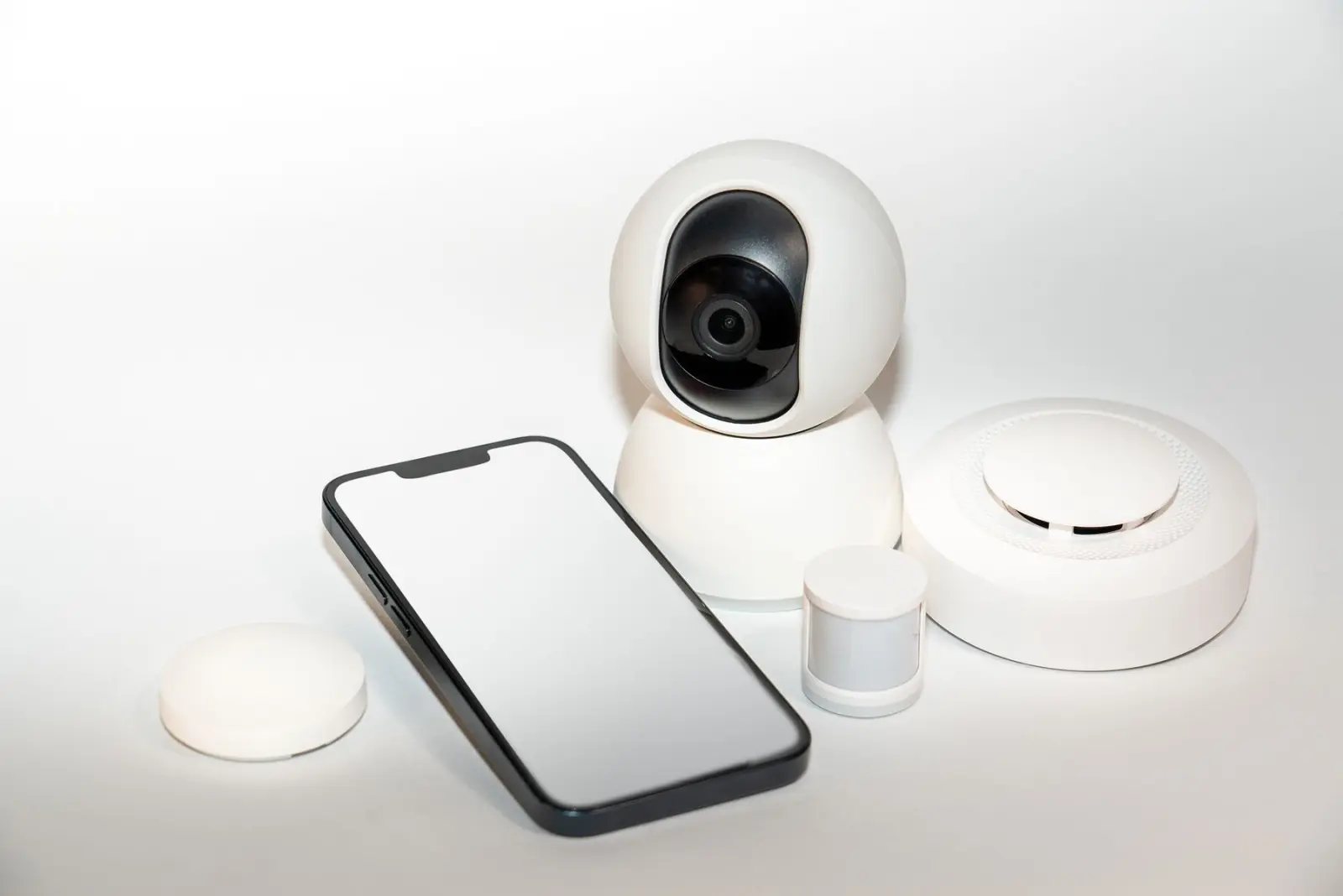
We work with consumer electronics and appliance brands, wearables and audio makers, smart home startups, contract manufacturers adding connectivity and service networks handling repairs for multiple brands. Projects include companion apps over Bluetooth Low Energy or Wi-Fi, device cloud backends, OTA update platforms, warranty registration, service request apps and technician tools.

Nexzem works closely with your firmware team on the device protocol, then builds apps and cloud services that handle real-world issues: flaky Bluetooth, varied Android phones and intermittent home Wi-Fi. OTA updates use staged rollouts and rollback paths. On the service side, NexChat on WhatsApp and NexCall voice agents help customers book repairs and check status without waiting on hold.

What consumer electronics teams get with Nexzem

Scroll along the line: each outcome lights up as the signal reaches it.

  1. Better app ratings

    Reliable pairing and stable apps lift reviews that influence sales.

  2. Safer updates

    Staged OTA rollouts limit the impact of a faulty release.

  3. Faster service

    Digital booking and technician apps shorten repair turnaround.

  4. Product insight

    Device data shows how customers actually use features.

Consumer Electronics software we build

Companion apps, IoT cloud, warranty and after-sales service software for consumer electronics brands.

Device companion apps

iOS and Android apps for setup, control, schedules and insights for smart appliances, wearables, audio and home devices.

Every build includes

  • Better app ratings
  • Safer updates
  • Faster service
  • Product insight

Rules connected products must meet

Electronics sold in India often need BIS registration under the Compulsory Registration Scheme, wireless devices need equipment type approval for their radio modules, and some telecom and networked equipment falls under mandatory testing and certification. E-waste rules place extended producer responsibility on manufacturers and importers. The companion app and cloud also handle personal data, so the DPDP Act applies to owner accounts, usage history and location.

Export markets add cybersecurity requirements. The EU's Radio Equipment Directive now includes cybersecurity rules for internet-connected radio products, and the Cyber Resilience Act will extend obligations to most products with digital elements. The UK bans universal default passwords on consumer connected products. This is general information, not legal advice; certification bodies and counsel should confirm requirements per market.

  • Give every device unique credentials, never a shared default password.
  • Sign firmware and verify signatures before installing updates.
  • Publish how long devices will receive security updates.
  • Provide a way for researchers to report vulnerabilities.
  • Collect only the telemetry you need, with owner consent.
  • Register products and report compliance under e-waste rules.

Integration challenges for connected devices

Owners expect devices to work with the ecosystems they already use. Voice assistants such as Alexa and Google Home require certified skills or actions and account linking, and the Matter standard promises interoperability across smart home platforms but adds its own certification and testing. Each integration multiplies the combinations of phone, app version, firmware and network that must be tested.

After-sales systems need connecting too. Warranty registration should accept purchases from your own store, Amazon, Flipkart and retail partners, service tickets must link to device serial numbers and firmware versions, and spare parts availability affects repair times. When the app, cloud, CRM and service partner systems share device identity, support becomes faster and cheaper.

App store releases and firmware releases also need coordination, since a new app feature may depend on firmware that only part of the installed base has received. Feature flags and capability checks keep older devices working smoothly. Test every app release against the oldest firmware still in use.

Where AI fits in consumer electronics

Device telemetry can predict failures, such as a compressor or battery degrading, and prompt service before the product stops working. Smart features use patterns in usage data, for example adjusting air conditioner schedules to save energy. Support assistants that read device status and error codes can walk owners through fixes, and analysis of reviews and support tickets reveals design problems to fix in the next model.

On-device AI keeps sensitive data such as voice or camera input local, which helps privacy and works without a network. Whatever the approach, explain clearly what data is collected and why, because trust in connected products disappears quickly after a privacy scare. Make telemetry settings easy to find.

How we build for consumer electronics

Clear stages with a review at the end of each, so you always know what happens next and what it costs.

  1. 01

    Device and protocol review

    We study the hardware, firmware and communication protocol with your team.

  2. 02

    Pairing prototype

    We prove pairing and core control on real devices first.

  3. 03

    App and cloud build

    Apps, backend and OTA pipeline are built in sprints.

  4. 04

    Device matrix testing

    We test across phone models, OS versions and network conditions.

  5. 05

    Launch and field monitoring

    We monitor crash, pairing and update metrics after launch.

Consumer Electronics use cases

  1. Energy reports for smart air conditioners

    Owners see daily and monthly energy use in the app, receive suggestions such as better temperature settings and schedules, and compare usage with similar homes, turning the companion app into a reason to stay engaged with the brand.

  2. Staged firmware rollout for wearables

    A new firmware version goes first to a small share of devices, crash and battery metrics are monitored, and the rollout widens automatically only when health checks pass, with instant pause if problems appear in the field.

  3. Warranty registration from an invoice photo

    Buyers photograph their purchase invoice in the app, the system reads the date, seller and serial number, registers the warranty and stores proof of purchase, removing paper cards and disputes during service claims.

  4. Technician app with spare parts ordering

    Service technicians see device history and error logs before a visit, diagnose with guided checklists, order spare parts from the app and close jobs with customer signatures and photos, improving first-visit fix rates.

  5. Matter-enabled smart plug onboarding

    A smart plug joins Apple Home, Google Home or Alexa through Matter with a QR code scan, while the brand's own app adds energy monitoring, schedules and firmware updates for owners who want more features.

Technology behind our consumer electronics software

Proven, well-supported tools chosen for your scale, budget and team, never for novelty.

  • Swift
  • Kotlin
  • Flutter
  • Node.js
  • Go
  • Python
  • PostgreSQL
  • AWS
  • Firebase

Consumer Electronics software FAQs

Something else on your mind? Ask a consultant and get a reply within one business day.

What drives the cost of a companion app?

Cost depends on the device protocol, the number of device models, app features, cloud backend needs, OTA updates and the size of the phone test matrix. We provide a fixed quote after a free consultation on your requirements.

Do you write device firmware?

Our focus is apps, cloud and service software. We work closely with your firmware team or vendor and can advise on protocols that make app development reliable.

How do you make Bluetooth pairing reliable?

We handle permissions, retries, reconnection and OS-specific quirks, and test on a wide range of Android and iOS devices before release.

How do you protect OTA updates?

Firmware is signed and verified on the device, delivered over encrypted channels and rolled out in stages with the option to pause.

How long does a companion app take?

A companion app with cloud backend typically takes 12-16 weeks, depending on device readiness and protocol stability.

Do you support Matter for smart home devices?

Yes. We build companion apps and cloud services for Matter-enabled devices, handle commissioning flows across major ecosystems and support the testing needed for certification, working alongside your firmware team or chipset vendor's SDK for the on-device implementation.

Can our devices work with Alexa and Google Home?

Yes. We build the cloud integrations, account linking and device state reporting needed for Alexa skills and Google Home actions, and help prepare for their certification processes, so owners can control your products by voice alongside your own app.

We work with clients across the USA, UK, Australia, UAE, New Zealand and India.

Where we work

Software that fits how your sector works.

Share your workflows and compliance needs. We reply within one business day with a suggested approach and team.